
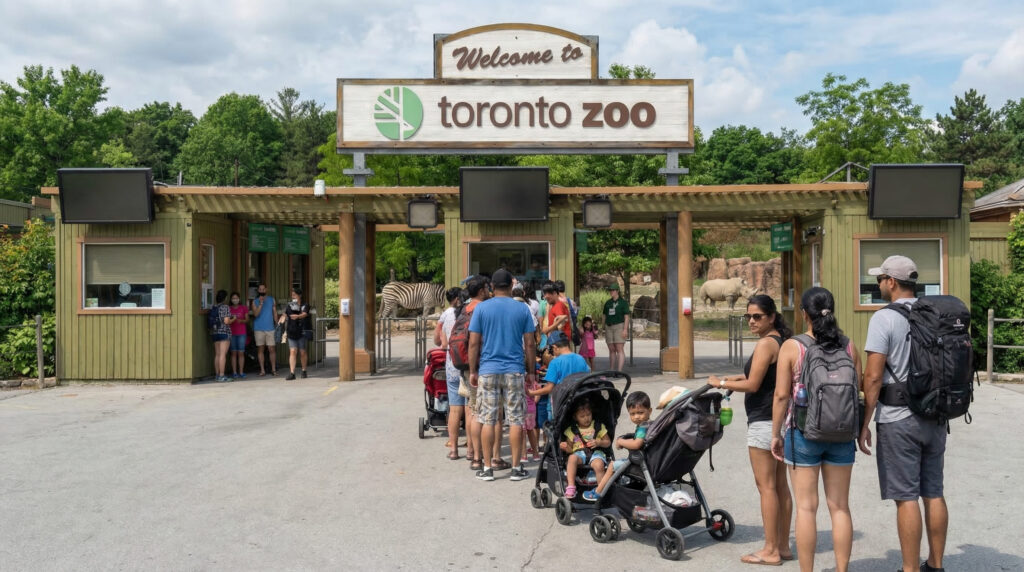
The Reality of the Toronto Zoo
The Toronto Zoo is not a casual afternoon plan. It is one of the largest zoos in the world by size, with roughly 10 kilometres of walking trails spread across massive outdoor habitats, and if you approach it without a strategy you will feel it in your legs by mid-afternoon.
What makes it worth the trip is space. Real space. The enclosures are large, the paths feel more like nature trails than sidewalks, and once you are inside it genuinely feels like you’ve left the city behind and stepped into something calmer. It is located near Rouge National Urban Park in Scarborough, far from downtown noise, so this is a full outing — not something you tack onto other plans.
If you commit to it as your main event of the day, it delivers.
By VITALIY PAVLYSH FEBRUARY 22, 2026
Getting There, Tickets & The Practical Details
The zoo is located at 2000 Meadowvale Road, just off Highway 401, and driving is the most straightforward option for most people. Parking is paid and should be factored into your budget. If you are coming from downtown Toronto, expect around 30–45 minutes by car depending on traffic.
Transit is possible via TTC routes from Kennedy Station and seasonal connections from Rouge Hill GO, but it will take longer and works best if you plan carefully around bus schedules. If you are visiting from outside Toronto, combining GO Transit with a seasonal zoo bus connection can make sense.
Buy tickets directly from the official website. It avoids issues and guarantees valid entry. Hours vary by season, and last admission is typically one hour before closing, so always confirm the current schedule before leaving home, especially during peak periods like March Break or summer weekends.
When To Visit (Timing Changes Everything)
If you want the best experience, go early in the day and avoid peak summer afternoons when possible. Cooler days — especially in spring and fall — tend to be more comfortable for visitors and often mean animals are more active.
Weekdays are noticeably calmer than weekends. If you visit on a hot Saturday in July, expect larger crowds, longer food lines, and slower movement between pavilions.
Winter visits can actually be surprisingly pleasant if you dress properly. Some animals are more energetic in colder weather, and indoor pavilions provide warm breaks. The key is layering and realistic expectations about how much you will cover.
How To Plan Your Route (This Is Critical)
The zoo is divided into geographic regions such as African Savanna, Tundra Trek, Indo-Malaya, the Americas, and others. Trying to see every exhibit in detail in one visit is the fastest way to burn out.
Instead, choose two or three priority regions before you arrive. Start with the one furthest from the entrance while your energy is high, then work your way back toward central areas for lunch and indoor pavilions during peak midday heat.
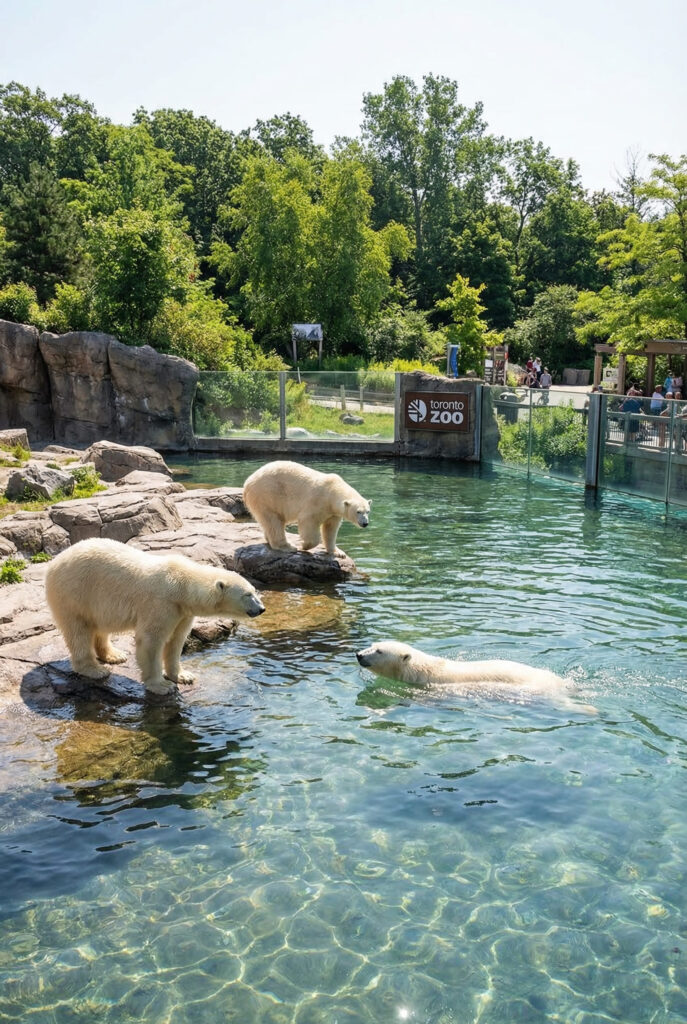
Many locals like finishing with Tundra Trek, where the polar bears are located, because it feels like a strong final stop. Having a loose structure allows you to explore without rushing while still avoiding unnecessary backtracking across long walking paths.

Food Strategy & What To Bring
You are allowed to bring your own food and non-alcoholic drinks, and this is one of the smartest ways to make the day smoother. There are picnic tables throughout the grounds, which makes it easy to take proper breaks.
Food vendors are available inside the zoo, but lines increase significantly during peak hours, especially in summer. Packing snacks, refillable water bottles, and small meals keeps your energy stable and saves time.
Comfortable walking shoes are not optional. This is a high-step day. Dress for the weather and assume you will be outdoors for most of it.
Visiting With Kids (Or Just Wanting a Smoother Day)
If you are visiting with children, pace is everything. It is completely normal not to cover the entire zoo in one visit. Focus on key animals and allow extra time for breaks.
Stroller and wagon rentals are available near the entrance on a first-come basis, and they make a noticeable difference over long distances. During summer months, Splash Island is included with admission and works well as a midday reset for families. Bringing towels and a change of clothes is practical if you plan to use it.
Downloading the official zoo app before arrival helps with navigation, washroom locations, and mapping out routes efficiently.
Is The Toronto Zoo Worth It For Locals And Visitors?
For locals, the Toronto Zoo works best as a seasonal reset — a spring or fall day when the air is crisp and the pace feels slower. It is not something you do every month, but when planned intentionally, it becomes a genuinely enjoyable escape from the city core.
For visitors to Toronto, it offers something different from the typical downtown itinerary of CN Tower, Harbourfront, and Queen West. It shows another side of the city — spacious, green, and nature-focused.
The key to enjoying it is treating it as a full-day experience with structure. Arrive early, prioritize your must-see regions, pack strategically, and pace yourself. Do that, and the Toronto Zoo becomes less about exhaustion and more about a well-planned day outdoors that actually feels worth the distance.